

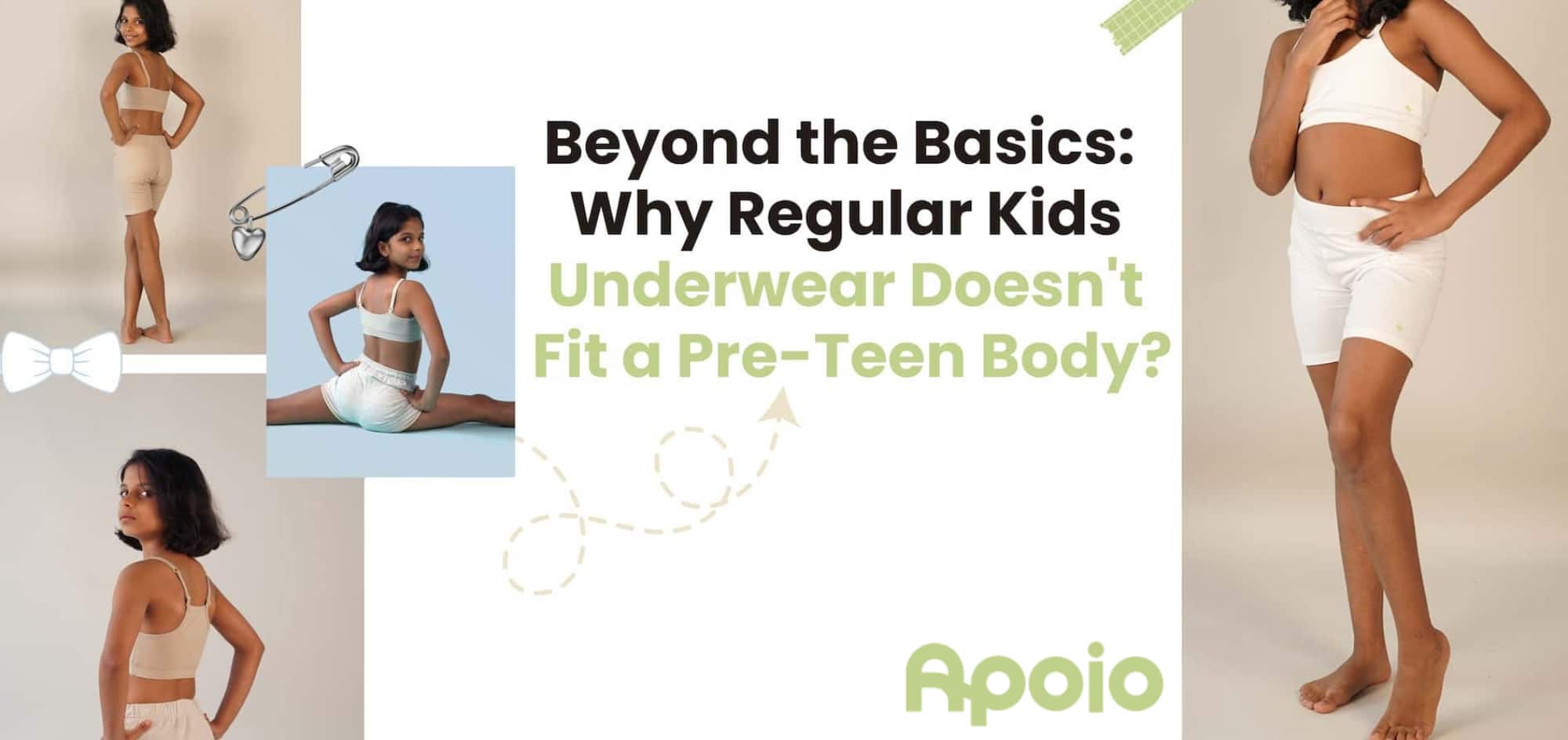
Growing up brings exciting milestones, but it also comes with physical changes that parents often overlook. One surprisingly important transition is underwear. Many parents continue buying children's underwear until it no longer fits, assuming a larger size will solve the problem. However, pre-teens experience rapid body changes that make regular kids underwear less comfortable and less supportive.
As children approach puberty, their bodies begin to develop in unique ways. Waistlines change, hips widen, and increased physical activity demands better comfort and flexibility. That's why choosing the right underwear for teens is about much more than sizing, it's about supporting a growing body.
Understanding these differences helps parents make better purchasing decisions while giving pre-teens the confidence and comfort they need every day.
Why a Pre-Teen Body Is Different
Between the ages of 9 and 13, children experience one of the fastest periods of physical development outside infancy. During this stage, growth spurts, hormonal changes, and body shape development all happen simultaneously.
Unlike younger children, pre-teens often experience the following:
-
Faster height and weight growth
-
Developing hips and waistlines
-
Increased muscle development
-
Higher levels of sweating
-
Greater participation in sports and outdoor activities
Because of these changes, clothing that once fit perfectly can suddenly become restrictive or uncomfortable.
According to paediatric health experts, children can grow several inches in a single year during early puberty, making proper clothing fit increasingly important for comfort and healthy movement.
Why Regular Kids Underwear Stops Working
It Isn't Designed for Changing Body Shapes
Children's underwear is generally created for straight body proportions with minimal variation between waist and hips.
Pre-teens begin developing curves, broader hips, or a more defined waist. As a result, standard kids underwear may:
-
Ride up throughout the day
-
Feel tight around the legs
-
Slip at the waistband
-
Restrict movement during activities
Sizing up doesn't always solve these issues because the proportions remain designed for younger children rather than developing bodies.
Comfort Becomes More Important
As children become more active, comfort isn't just a luxury—it's essential.
Whether they're attending school, playing sports, cycling, dancing, or simply spending long hours sitting in class, uncomfortable underwear can become a constant distraction.
Modern underwear for teenagers is typically designed with features such as:
-
Softer waistbands
-
Stretch fabrics
-
Flat seams
-
Better leg openings
-
Improved flexibility
These design improvements reduce irritation while allowing freedom of movement throughout the day.
Increased Sweating Requires Better Fabrics
Puberty also means increased sweat production.
Regular children's underwear often prioritises affordability over performance, using fabrics that may trap heat and moisture.
Quality underwear made for pre-teens frequently includes breathable cotton blends or moisture-managing materials that help
-
Keep skin dry
-
Reduce chafing
-
Improve comfort
-
Minimize odor buildup
Breathable fabrics become especially valuable during sports, summer months, or long school days.
Support Matters More Than Parents Realize
Support isn't only important for adults.
As bodies develop, properly fitting underwear provides gentle support without feeling restrictive.
For girls, this means underwear that accommodates changing hip proportions without digging into the skin.
For boys, supportive designs help improve comfort during active play while reducing unnecessary movement.
The best underwear for teens balances support with flexibility so children barely notice what they're wearing.
Signs It's Time to Switch from Kids Underwear
Parents often wait until underwear becomes obviously too small.
Instead, look for these common signs:
Constant Adjusting
If your child frequently pulls at their waistband or adjusts their underwear, the fit may no longer be appropriate.
Red Marks After Wearing
Elastic that leaves deep marks around the waist or legs indicates the underwear is too tight or poorly proportioned.
Complaints About Comfort
Comments like "it feels weird," "it's itchy," or "it keeps moving" shouldn't be dismissed as minor complaints.
Children often struggle to explain discomfort, especially when they're experiencing body changes for the first time.
Frequent Riding Up
If underwear shifts constantly during walking or sports, it's likely designed for a body shape your child has outgrown.
What to Look for When Choosing Underwear for Pre-Teens
Finding the right fit involves more than choosing the next size up.
Choose Soft, Breathable Materials
Cotton remains one of the most trusted fabrics because it's gentle on sensitive skin and allows better airflow.
Many premium options also include a small percentage of elastane for improved stretch and shape retention.
Prioritize the Right Fit
Avoid underwear that's either overly tight or excessively loose.
A good fit should:
-
Stay in place
-
Stretch comfortably
-
Allow unrestricted movement
-
Feel secure without squeezing
Look for Smooth Seams
Flatlock or smooth seams help reduce friction, especially for active children.
This small design feature can significantly improve comfort during school and sports.
Consider Activity Levels
Children involved in athletics may benefit from moisture-wicking fabrics and more supportive designs that remain comfortable during extended physical activity.
Practical Tips for Parents
Shopping for pre-teen underwear doesn't have to be complicated.
Here are a few simple tips:
Let Your Child Help Choose
Pre-teens are becoming more independent and developing personal preferences.
Allowing them to choose styles and colours encourages confidence while ensuring they're comfortable wearing them.
Replace Underwear Regularly
Rapid growth means underwear may need replacing more often than other clothing.
Checking fit every six to twelve months helps ensure ongoing comfort.
Buy Quality Over Quantity
A smaller collection of well-made underwear often lasts longer and provides significantly better comfort than inexpensive alternatives.
Investing in durable, breathable products usually proves more economical over time.
Follow Care Instructions
Washing underwear according to manufacturer recommendations helps preserve elasticity, softness, and overall fit.
Why the Right Underwear Builds Confidence
Comfort has a direct impact on confidence.
When pre-teens aren't distracted by pinching waistbands or uncomfortable fabrics, they can focus on learning, playing, and enjoying everyday activities.
Wearing properly fitted underwear for teens also encourages positive body awareness during an important stage of development. Instead of feeling self-conscious about discomfort, children experience clothing that supports their changing bodies naturally.
Parents often spend time choosing the right shoes or school uniforms but underestimate how much well-fitting underwear contributes to daily comfort and self-esteem.
Growing bodies deserve clothing that grows with them. While regular kids underwear may have worked perfectly during childhood, it often falls short once puberty begins. Changes in body shape, increased activity, and greater comfort needs require designs specifically made for developing bodies.
Choosing the best underwear for teens means looking beyond age labels and focusing on fit, fabric, support, and comfort. High-quality underwear for teenagers helps reduce irritation, improves freedom of movement, and supports confidence during one of life's biggest growth stages.
By recognising the signs that your child has outgrown traditional kids underwear, you can make a simple change that has a meaningful impact on their everyday comfort, health, and confidence.


